
Does The Bi-Annual Number Plate Change Affect Your Car's Value?
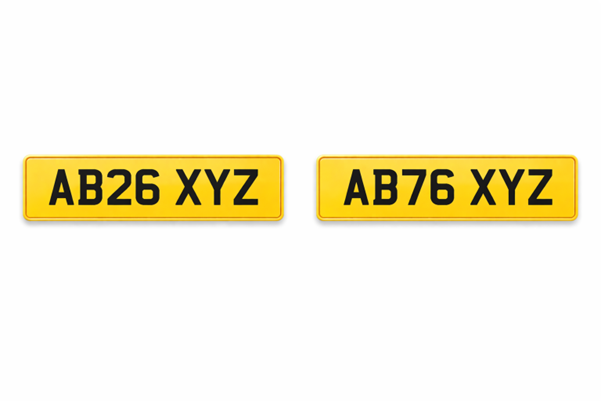
Every March and September, new number plates appear on UK roads.
If you already own a car, you might wonder what that really means for you. Does a number plate change affect car value? Should you try to sell before the next plate comes out? Or does it make less difference than people think?
The short answer is yes, a number plate change can affect what your car is worth. But it is usually only one part of the picture. For newer cars, it can matter more. For older, high-mileage or damaged cars, things like condition and reliability often have a bigger effect on value.
How does the UK number plate system work?
In the UK, car registration plates change twice a year, in March and then September.
For cars registered between March and August, the plate shows the last two digits of the year. So a car first registered in March 2026 would have a 26 plate.
For cars registered between September and February, 50 is added. So a car first registered in September 2026 would have a 76 plate.
That means people can tell roughly how old a car is just by looking at the registration plate. When a new plate comes out, older cars can suddenly look less current, even though nothing has changed mechanically.
Does a number plate change affect car value?
Yes, it can.
When a new registration plate is released, your car can feel older to buyers overnight. That can affect first impressions, especially if someone is comparing your car with a similar model on a newer plate.
The bi-annual number plate change often matters most when:
- the car is nearly new
- buyers are comparing several similar cars
- appearance and age are a big part of the appeal
It usually matters less when the car is older, the mileage is high, or the vehicle has faults or cosmetic damage.
If you are wondering whether changing a number plate affects a car’s value, the honest answer is yes, but not by the same amount for every car.
Why newer cars tend to feel the biggest impact
If your car is only one or two years old, the registration plate can play a bigger role in its resale value.
That is because buyers shopping for newer used cars often compare by age first. A newer plate can make a car look more desirable, even if the difference is only six months on paper.
Once the March or September plate change arrives, your car may have to compete with more recent registrations. That can put some pressure on the price, particularly if your car is in a popular part of the market.
This is one reason why people looking at car depreciation often pay close attention to plate-change months.
For older cars, condition usually matters more
If your car is several years old, the number plate still plays a part, but it is rarely the main reason for its value.
At that point, buyers are usually looking harder at things like:
- mileage
- service history
- MOT record
- bodywork
- tyre condition
- warning lights
- whether the car starts and drives properly
That is worth remembering if you have an older car and are wondering about the best time to sell a car. In many cases, waiting for the perfect moment matters less than selling before more faults appear or costs build up.
Is the best time to sell a car in the UK before the change?
In many cases, selling before a new car registration plate comes out can help, especially if your car is fairly new and in good condition.
That is because:
- buyers may still see it as part of the current plate cycle
- there may be fewer newer part-exchange cars competing with it
- you avoid the moment when it suddenly looks a bit older on paper
But that does not mean everyone should rush to sell.
If your car is older, damaged, has high mileage, or needs work, the difference made by the plate change may be fairly small. In that situation, holding on for a few more months could mean more wear, another MOT, more repairs, or further depreciation anyway.
So the best time to sell a car in the UK is not always just before March or September. It is often when the car still has reasonable value and before it costs you more money.
Does a private registration help?
A private plate can make a car look less obviously tied to a certain year, but it does not usually increase the true value of the vehicle.
Serious buyers and car-buying services still look at the actual registration date, age, mileage, condition and history. A personalised plate may change the look of the car, but it does not change what the car is underneath.
It is also important to remember that you cannot use a registration plate that makes a vehicle look newer than it is.
What matters more than the registration plate?
If you want to know what really affects the value of your car, these things usually matter more than the latest number plate change:
Condition
Scratches, dents, worn interiors and mechanical faults all affect price. A newer plate will not cancel that out.
Mileage
Higher mileage often lowers value, especially when it is high for the car’s age.
Service history
A car with records showing regular maintenance is usually easier to sell and may achieve a better price.
MOT and repairs
A short MOT, failed test, or known repair issues can bring the value down quickly.
Demand for that type of car
Some models hold their value better than others. Fuel type, running costs and reliability can all affect buyer interest.
When selling sooner may make more sense
Sometimes people spend too much time worrying about the next plate change when the bigger issue is the car itself.
It may make sense to sell now if your car:
- needs repairs
- has started to become unreliable
- has high mileage
- is getting close to MOT work
- is no longer worth spending money on
- is sitting unused on the drive
In those cases, the question is often not just whether a new plate will affect value. It is whether keeping the car will cost you more than it is worth.
Should I sell my car without worrying about the plate change?
If you are thinking, “Should I wait, or should I just sell my car now?”, the answer depends on the type of vehicle you have.
For a newer car, selling before a number plate change can sometimes help you get a stronger price.
For older, damaged or unwanted vehicles, the registration plate is often only a small part of the story. Condition, mileage and repair costs usually matter more.
That is where Cash For Cars can help.
We buy cars in a wide range of conditions, including older cars, high-mileage vehicles, non-runners, damaged cars, cars with MOT issues and cars that are no longer worth repairing.
You can get a free quote, accept the offer if it works for you, and arrange free collection from your home or another suitable location.