
I’ve decided to scrap my car with Cash For Cars. What do I do now?

Deciding to scrap a car can feel like a weight off your mind.
Perhaps you need to sell a car that has failed its MOT. Maybe the repair bill is more than the car is worth. Your scrap car might not start, or it may simply have been sitting unused for months.
Once you have decided it is time for the car to go, you may still be unsure about what happens next.
What is the scrap value of my car? Do I need to take it to a scrap yard? What paperwork should I find? How will it be collected, and when will I be paid?
The good news is that the process is usually much simpler than people expect. Here is what happens when you decide to scrap your car with Cash For Cars.
Start by getting a quote for your scrap car
The first step is to request a quote online.
You will usually need:
- Your vehicle registration
- Its approximate mileage
- Your postcode
- Your contact details
- A simple description of the car’s condition
We use your registration, mileage and postcode to start the quote process. We may then ask a few more questions about the vehicle.
You do not need to be a car expert.
Just tell us what you know. Let us know if the car does not start, if you are looking to sell an accident-damaged car, or if it is missing important parts or showing warning lights.
Try to be as accurate as you can. This helps us value the car properly and avoids surprises when it is collected.
What happens after I accept the quote?
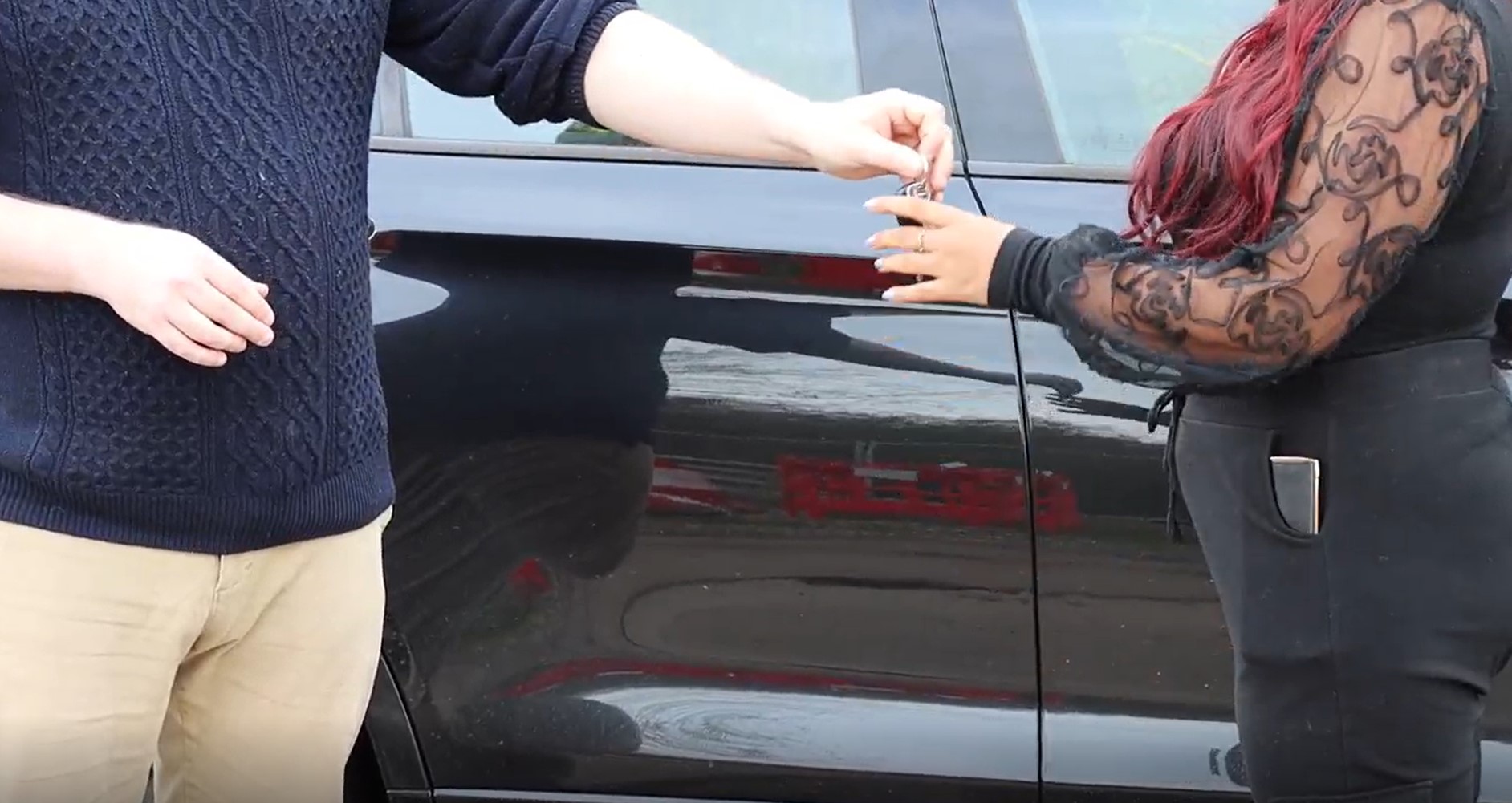
Once you accept the offer, we will confirm the details and arrange the handover.
You can normally choose to:
- Have the car collected from an agreed address
- Drop it off at an arranged partner location
Collection can be especially helpful if the car is damaged or cannot be driven. We may be able to collect it from your home, workplace, garage or recovery yard.
Before confirming the collection, check that the address is correct and that the car can be reached.
Please tell us about anything that could make collection more difficult, such as:
- A narrow road
- A low car park
- A locked compound
- Another vehicle blocking the car
- Missing wheels
- Steering or braking problems
There is no need to worry about these things. We just need to know about them so we can plan the collection properly.
Can my car be collected if it does not start?
Yes. You can sell a non-runner car without arranging transport yourself.
Tell us where the vehicle is and explain its condition as clearly as you can. It is useful to know whether:
- The wheels turn
- The steering works
- The handbrake releases
- The keys are available
- The car is parked on a slope or in a tight space
Let us know what the problem is, and we can talk you through the next step.
What should I do before collection?
You do not need to repair the car or pay to have it professionally cleaned.
You should, though, remove your belongings and have a good look through the vehicle before it goes.
It is surprisingly easy to leave behind parking permits, sunglasses, phone cables or paperwork containing personal information.
You should also remove any work passes, toll tags or parking devices linked to your bank account.
There is no need to make the car spotless. Just make sure you have taken everything you want to keep.
What paperwork will I need?
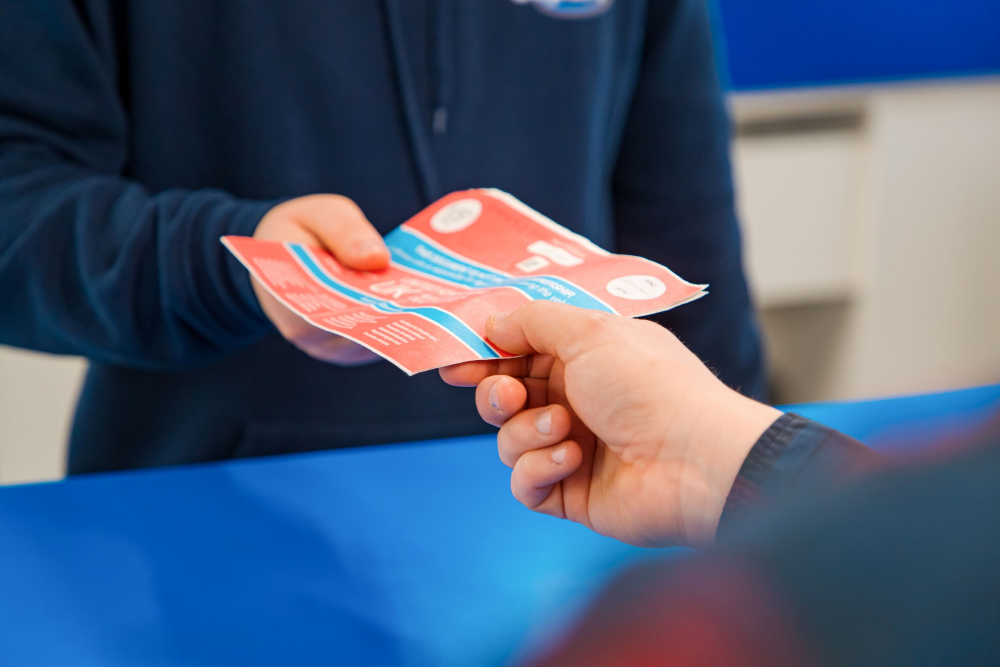
It is a good idea to gather your paperwork before collection. That way, you are not looking for it while the driver is waiting.
Useful documents include:
- The V5C logbook
- Your MOT certificate, if available
- Service history
- Repair invoices
- Vehicle manuals
- Photo identification or proof of address, if requested
You should also gather every key you have, including spare keys and the locking wheel nut key.
Do not worry if you do not have a complete service history. Many old, damaged and unwanted cars come with missing paperwork.
Just tell us what you have when we discuss the car.
What if I cannot find my V5C?
The V5C logbook helps confirm the vehicle’s details and makes it easier to update the registered keeper record.
If you cannot find it, let us know before collection. We can explain what other information or evidence may be needed.
You should also check that there is no outstanding finance on the vehicle. A car should not be sold while a finance company or another party still has a legal claim over it.
Should I remove my private number plate?
Yes, if you want to keep it.
You will need to apply to retain or transfer the personalised registration through the DVLA before handing over the vehicle.
Wait until you have received your V778 retention document and replacement V5C before the car is collected. Otherwise, you could lose the right to use the private number.
Check that the replacement registration shown on the new paperwork matches the registration being used for the sale.
What happens when the collection driver arrives?
The driver will check that the car matches the information you gave us when requesting your quote.
This may include checking:
- The registration and vehicle identity
- The mileage, where it can be read
- The overall condition
- Any important damage
- Whether major parts are missing
- The keys and paperwork
This is not an MOT test, and it is not the sort of detailed inspection you might expect from a private buyer.
It is simply a check to make sure the car has been described accurately.
If the information you gave us is correct, the final offer should match what was agreed. If the condition, mileage, history or missing parts are quite different, the valuation may need to be reviewed.
The best way to avoid this is to be open about the car from the beginning. You will not be expected to know every mechanical detail.
How will I be paid?
Once the sale is complete and the car, keys and documents have been handed over, we will send the agreed payment by Faster Payment bank transfer.
The money will usually arrive within a few minutes and should be in your account within two working hours. The bank account must be in the seller’s name.
Check your account number and sort code carefully before confirming them.
Although people often search for “cash for my car”, you will not be handed physical notes at collection.
Cash For Cars pays by bank transfer, which gives you a clear record of the payment. In England and Wales, it is also illegal to pay physical cash for a vehicle that is being scrapped.
Do I need to tell the DVLA?
The DVLA must be told when a vehicle is sold, transferred or scrapped.
We can explain what happens during the handover, but you should make sure the DVLA has been notified and keep the confirmation somewhere safe.
Do not assume that everything is finished as soon as the car leaves your driveway. As the registered keeper, it is important to make sure the record has been updated.
Once the DVLA has been notified, your vehicle tax will be cancelled. You will normally receive a refund for any complete remaining months.
Remember to contact your insurer as well, so they can cancel or update your insurance policy.
Will I receive a Certificate of Destruction?
A Certificate of Destruction is issued when an eligible vehicle is completely scrapped by an authorised treatment facility.
For a car, light van or eligible three-wheeled vehicle, the certificate should normally be provided within seven days.
You will not receive one if the authorised treatment facility decides that the vehicle can be repaired and sold instead.
This can sometimes be confusing. A car may feel like scrap to you because it is old, badly damaged or too expensive to repair. It may still have reusable parts or some salvage value.
The main thing is to make sure the registered keeper record is updated and to keep evidence of the handover.
A quick checklist before collection
Before the agreed collection time, check that you have:
- Confirmed the collection address
- Mentioned any access problems
- Described the car accurately
- Removed your personal belongings
- Gathered the keys and paperwork
- Removed a private registration, if needed
- Dealt with any outstanding finance
- Provided the correct bank details
- Confirmed how the DVLA will be notified
Keep your phone nearby on collection day in case the driver needs help finding the vehicle.

Frequently asked questions
Can I scrap my car without an MOT?
Yes. A car does not need a valid MOT for you to request a quote. Just tell us if the MOT has expired or the vehicle has failed its test.
Can my car be collected from a garage?
Yes. Collection can usually be arranged from a garage or recovery yard. Make sure the garage knows about the collection and has permission to release the vehicle.
Can I sell my car for scrap without the keys?
It may still be possible, but missing keys can affect the collection and the valuation. Tell us about this when requesting your quote.
Does my scrap car need to be clean?
No. You do not need to pay for professional cleaning. Just remove your personal belongings, rubbish and any documents containing private information.
Can the quote change at collection?
The quote may need to be reviewed if the condition, mileage, history or missing parts are quite different from the information provided. Describing the car accurately helps avoid this.
Do I need to cancel my car tax?
You do not need to apply separately to cancel it. Once the DVLA has been told that you no longer have the vehicle, the tax should be cancelled and any remaining months will normally be refunded.
Ready to scrap your car?
Once you have decided it is time for the car to go, the next step is to tell us a little about it.
Request a quote from Cash For Cars and describe the vehicle as accurately as you can.