
What Will Reduce Your Fuel Consumption? Our Top 7 Habits
With fuel prices still putting pressure on household budgets, many drivers want simple ways to improve fuel economy without changing their car.
The good news is that small changes can make a real difference. In many cases, better fuel economy comes down to how you drive, how often you check the car, and whether the vehicle is still economical to run.
To use less petrol, spend less at the pump and improve your miles per gallon (mpg) in everyday driving, these are the habits worth focusing on.
1. Driving style
The way you drive has a direct effect on how much fuel your car uses. Fast acceleration, late braking and sitting with the engine idling for long periods all increase fuel consumption.
A smoother approach usually helps. Better planning and fewer sudden changes in speed can all support more fuel-efficient driving.
It can also reduce wear on parts such as the clutch, brakes and tyres.
2. Anticipate the road ahead
One of the easiest fuel-saving tips is to look further ahead and react earlier.
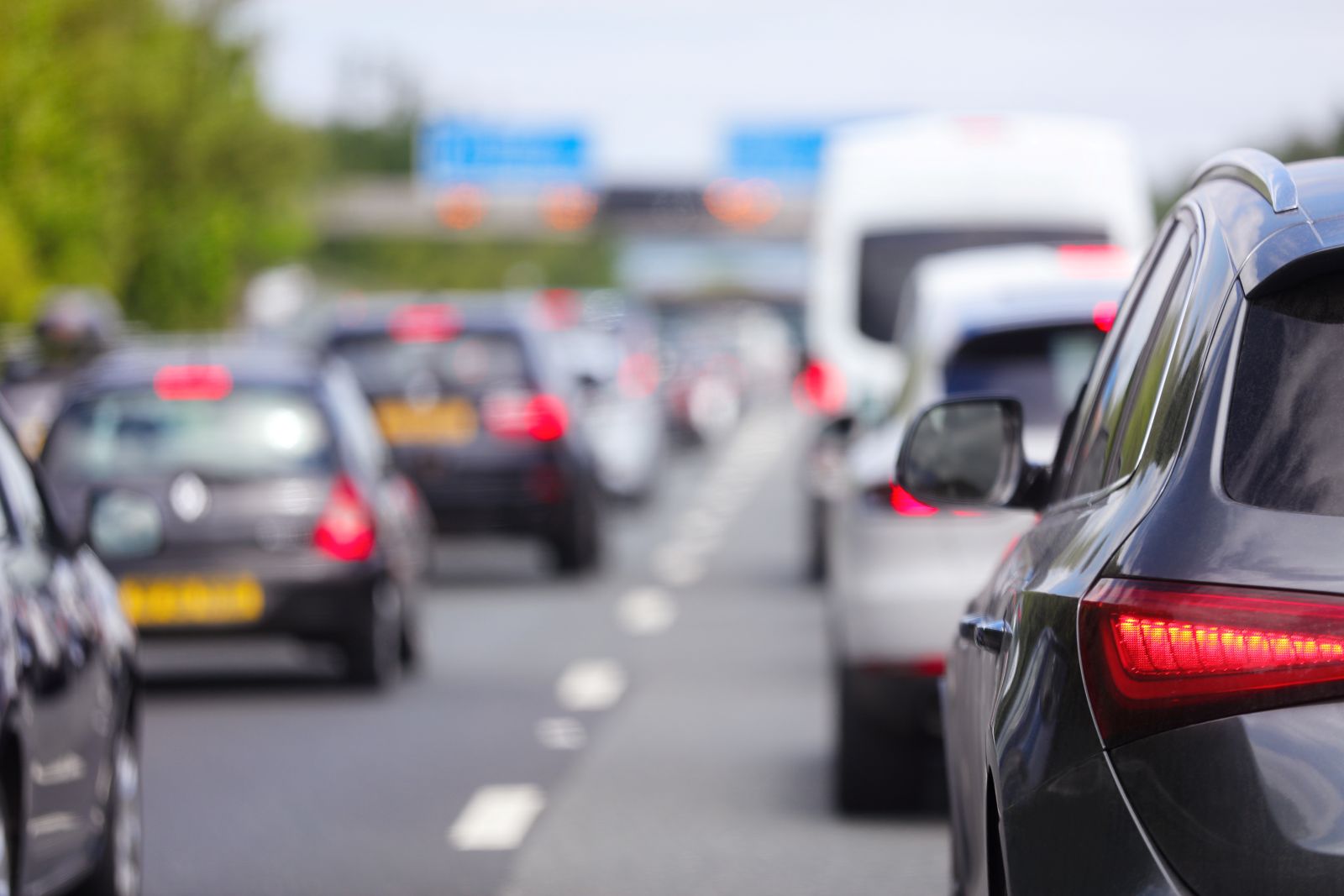
If you spot traffic slowing in front of you, ease off the accelerator sooner rather than waiting and braking sharply at the last moment. Keeping more distance from the car ahead can help you slow down more naturally and avoid constant stop-start driving.
This helps save petrol while driving because the car keeps moving more smoothly and uses less energy getting back up to speed.
3. Check your tyre pressures regularly
If you want better mpg, tyre pressures are a good place to start.
Under-inflated tyres create more rolling resistance, which means the engine has to work harder to move the car. That can decrease fuel economy without you noticing.
Checking your tyre pressures regularly and keeping them at the manufacturer’s recommended level is a simple way to reduce fuel consumption.
It is quick, free or low-cost, and easy to stay on top of.
4. Remove extra weight and drag
The heavier your car is, the more fuel it usually uses.
If you carry around items you do not need, such as tools, sports kit or other heavy things in the boot, clearing them out can help a little.
External accessories can matter too. Roof racks, roof boxes and cycle carriers create extra drag, especially at higher speeds. If you are not using them, taking them off can help improve fuel economy.
Open windows can also add drag once you are driving faster, so it is worth keeping that in mind on longer journeys.
5. Use air conditioning sensibly
Air conditioning can increase fuel use, but that does not always mean you should avoid it completely.
At lower speeds, opening the windows may be enough. At higher speeds, though, open windows can create extra drag, which may offset any fuel saving.
The practical answer is to use air conditioning when you need it but avoid having it on more than necessary.
6. Keep up with servicing
A well-maintained car is usually a more efficient one. Things like old engine oil, clogged filters, worn spark plugs, or overdue servicing can all make your car work harder and use more fuel.
Regular maintenance helps your car run as it should and can support better fuel economy over time.
It may not feel like a fuel-saving tip at first, but it can make a difference.
7. Cut down on short journeys
Short trips often use more fuel than people expect.
That is because the engine is less efficient when it is cold. If you only drive short distances, the car may never reach its most efficient operating temperature before the journey ends.
Where possible, try to combine errands into one trip instead of making several separate journeys. That can help improve your fuel economy while driving and reduce wear on the car too.
Is your car making fuel economy harder than it should be?
Sometimes the issue is not just driving style. Sometimes the car itself is expensive to run.
If your vehicle is older, high-mileage, unreliable or starting to develop faults, you may find that careful driving only goes so far. Fuel costs can stay high because the car is no longer running as efficiently as it should.
At that point, it is worth asking whether it still makes sense to keep spending money on it.
When it may be time to move on
If your car is costing more to run and you are not getting much back from it, selling may be the simpler option.
Cash For Cars buys vehicles in a wide range of conditions, including older cars, high-mileage vehicles and cars with faults. Get a free quote now, accept the offer if it works for you, and arrange free collection from your home or another suitable location.